
In a world shaped by technology, science, and constant access to information, mythology can seem like a relic of the distant past.
Many people think of myths as old stories that primitive cultures used to explain natural events before modern knowledge existed. In this view, mythology belongs in museums, classrooms, and ancient texts rather than in contemporary life.
Yet myths continue to surround us.
They appear in novels, films, television, video games, religious traditions, political narratives, and personal stories. Modern audiences still respond to heroes, wise mentors, journeys into darkness, sacred quests, and stories of sacrifice and renewal. The settings may change, but the patterns remain.
This persistence raises an important question.
If myths are simply outdated stories, why do they continue to capture the human imagination?
The answer reveals something important about human nature.
Myths survive because they address timeless concerns. They explore identity, meaning, suffering, hope, transformation, wisdom, and the search for purpose. They help people navigate experiences that cannot always be reduced to facts and information.
Understanding why mythology matters offers insight into both the ancient world and ourselves.

In This Guide
- What mythology is
- Common misconceptions about myth
- Why myths endure
- Mythology and human meaning
- Myth and symbolism
- Myth and psychology
- Mythology in modern culture
- Myth and spiritual reflection
- Why mythology still matters today
- Frequently asked questions
What Is Mythology?
Mythology refers to the collection of stories, symbols, beliefs, and traditions that cultures use to express fundamental truths about existence.
Myths often address questions such as:
- Where did the world come from?
- Why do people suffer?
- What makes a good life?
- What happens after death?
- How should human beings live?
Unlike historical records, myths are not primarily concerned with documenting events.
Their purpose is often symbolic rather than factual.
A myth may communicate truth through story, image, metaphor, and archetypal pattern.
Because of this, mythology continues to speak to readers long after the original cultures have changed or disappeared.
The Misunderstood Meaning of “Myth”
In everyday conversation, people often use the word myth to mean something false.
Someone might say:
“That’s just a myth.”
In this context, myth means mistake, fiction, or misunderstanding.
Scholars use the term differently.
Within mythology, a myth is a meaningful story that communicates cultural, spiritual, psychological, or symbolic truths.
Whether a myth describes literal events is often secondary.
Its significance lies in what it reveals about human experience.
This distinction is important because myths continue to influence people regardless of whether they are interpreted literally.
Why Human Beings Tell Stories
Human beings naturally think through stories.
Stories help us organize experience.
They create patterns.
They connect events into meaningful narratives.
Without stories, life can feel fragmented and chaotic.
Myths represent some of humanity’s oldest and most enduring stories.
They provide frameworks for understanding experiences that are often difficult to explain.
Love.
Loss.
Courage.
Fear.
Death.
Transformation.
Hope.
These experiences appear throughout mythology because they remain central to human life.
Why Mythology Matters Across Cultures
One of the most fascinating aspects of mythology is how similar themes appear across different cultures.
A hero leaves home.
A wise guide offers counsel.
A dangerous journey unfolds.
A descent into darkness occurs.
A treasure or wisdom is gained.
A return follows.
Although details vary, these patterns appear repeatedly.
Ancient Greece, Norse mythology, Indigenous traditions, Hindu epics, biblical narratives, and countless other traditions contain similar themes.
This recurrence suggests that myths express something fundamental about human experience.
The stories differ.
The patterns remain.
Explore Our Courses













Mythology and Symbolism
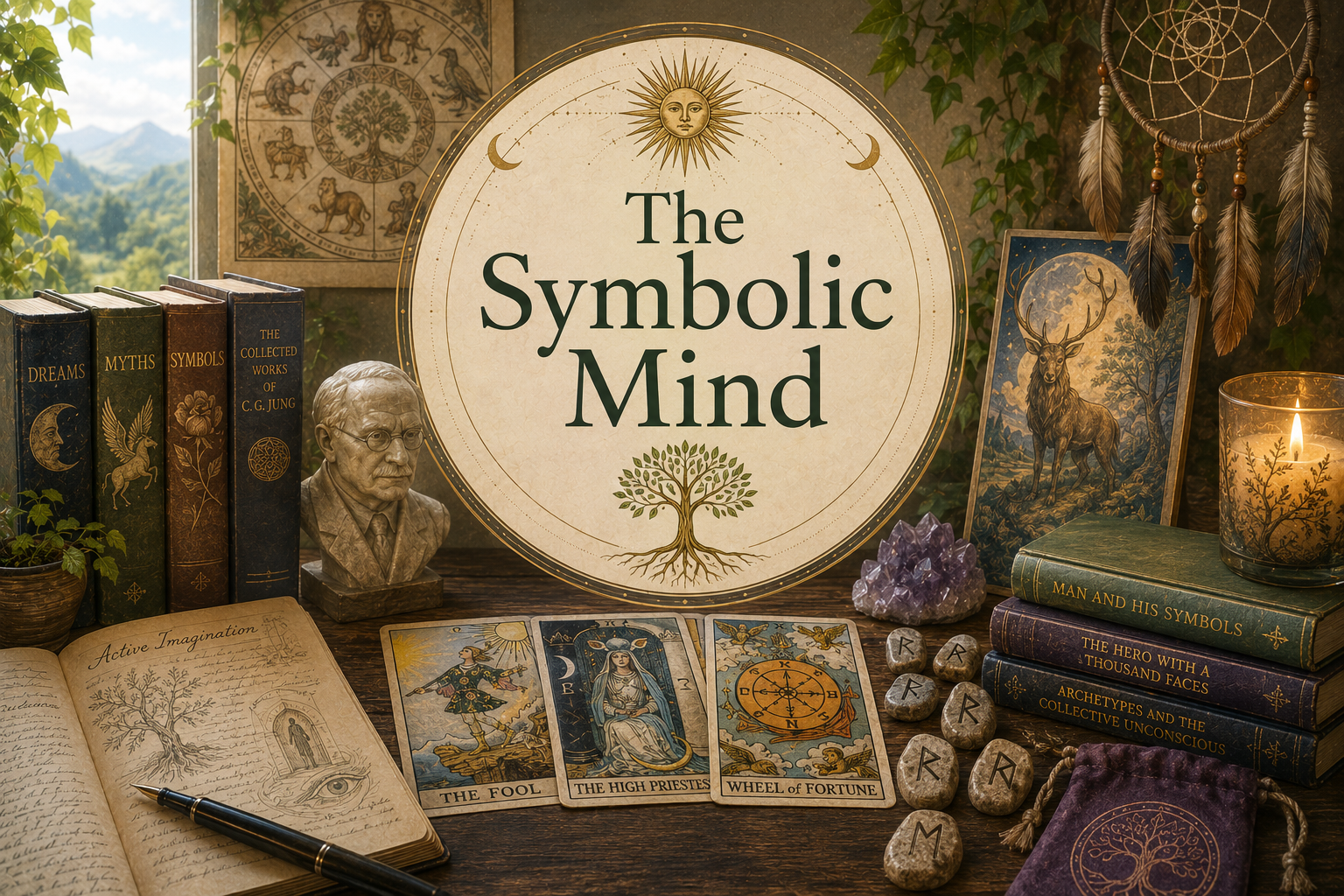
Myths communicate through symbols.
A dragon may symbolize chaos, fear, greed, or untamed power.
A mountain may represent spiritual ascent.
A river may suggest transformation or passage.
A forest may symbolize mystery and the unknown.
These symbols allow myths to communicate multiple layers of meaning simultaneously.
Readers interested in the broader language of symbols may enjoy our introduction:
What Is Symbolism? A Beginner’s Introduction
Symbolism gives mythology much of its enduring power.
The images continue speaking long after the original stories are told.
Mythology and Archetypes
Many myths revolve around recurring character types.
These figures appear again and again throughout world traditions.
Examples include:
- The Hero
- The Wise Elder
- The Trickster
- The Shadow
- The Divine Child
- The Great Mother
Carl Jung referred to these recurring patterns as archetypes.
He believed archetypes emerge from deep structures within the human psyche.
Myths provide some of the clearest expressions of these patterns.
When people recognize themselves within mythic stories, they often connect with archetypal experiences that transcend culture and historical period.
Future articles in this series will explore archetypal figures in much greater detail.
Mythology and Psychology
The relationship between mythology and psychology became especially important during the twentieth century.
Carl Jung argued that myths reveal psychological truths about human development.
According to Jung, mythological symbols often emerge in dreams, fantasies, religious experiences, and creative works.
Myths therefore serve as maps of inner experience.
The hero’s journey may represent personal growth.
A descent into the underworld may symbolize confronting hidden aspects of the self.
A battle with a monster may reflect internal struggles.
Through this lens, mythology becomes more than a collection of stories.
It becomes a language for understanding human experience.
Mythology and Spiritual Reflection
Many people approach mythology as a spiritual resource.
This does not necessarily require belief in every mythological narrative.
Rather, myths offer opportunities for contemplation.
A myth can encourage questions such as:
- What challenge am I facing?
- What transformation is occurring in my life?
- What wisdom am I overlooking?
- What fears must I confront?
These questions help explain why myths remain relevant long after the cultures that created them have changed.
The stories continue offering insight into contemporary experiences.
Mythology and Christian Hermetic Thought
Mythological themes often appear within mystical and symbolic traditions.
Christian Hermeticism, for example, places significant emphasis on symbolic interpretation, wisdom, and contemplation.
Rather than dismissing symbolic narratives, Christian Hermetic thinkers frequently explored how stories, images, and patterns could reveal deeper truths.
Readers interested in this tradition may wish to explore:
What Is Christian Hermeticism?
Both mythology and Christian Hermetic thought recognize the power of symbols to communicate meaning beyond literal description.
Mythology and Alchemy
The relationship between mythology and alchemy is equally rich.
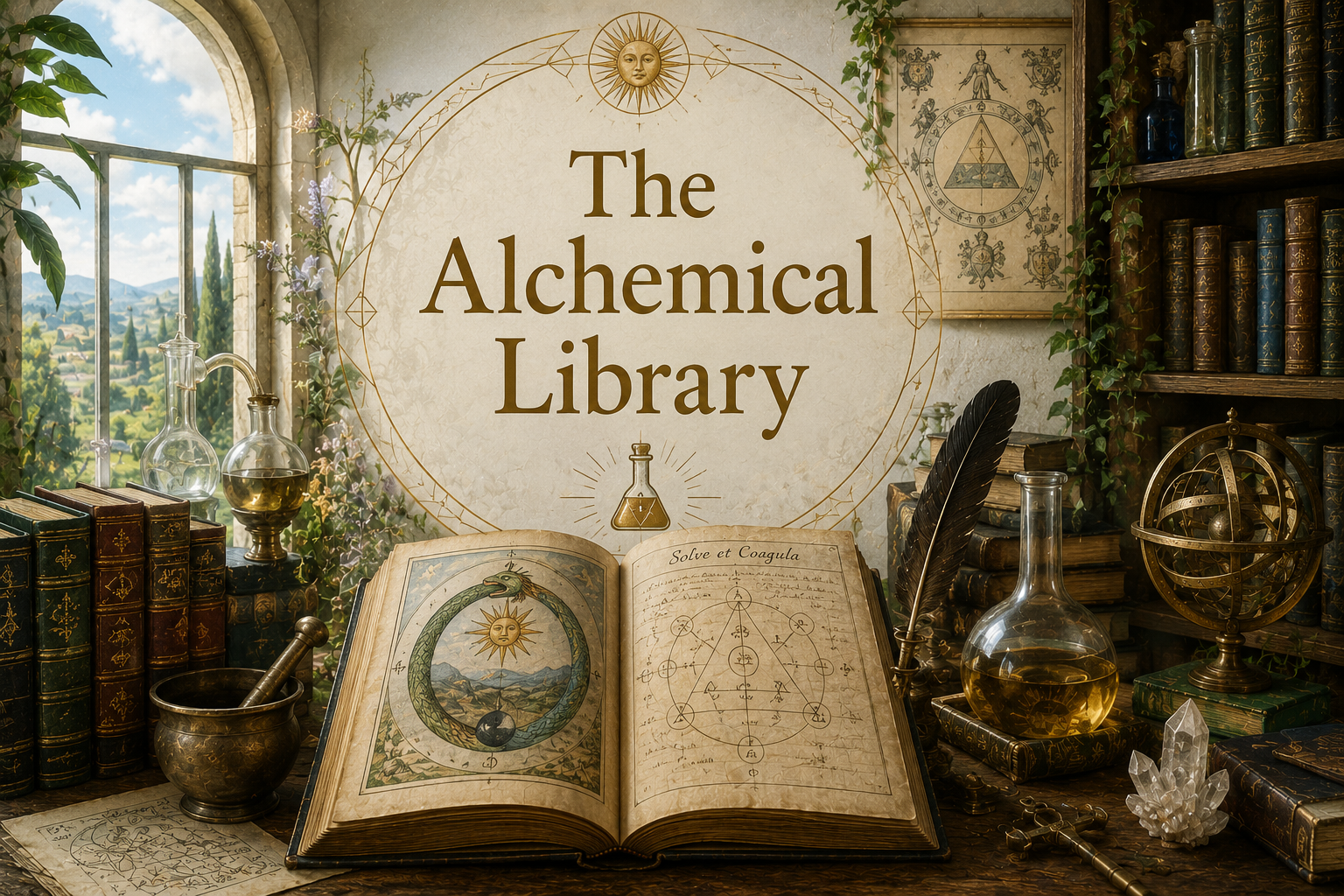
Alchemical texts frequently employ mythological imagery.
Kings and queens.
Dragons.
Serpents.
Sacred marriages.
Deaths and rebirths.
These symbols communicate ideas about transformation and wisdom.
Readers interested in this symbolic tradition may enjoy:
What Is Alchemy? Historical and Spiritual Perspectives
Alchemy demonstrates how mythological images can become tools for reflection and personal growth.
Mythology in Modern Culture
Despite claims that modern society has moved beyond mythology, mythic patterns remain everywhere.
Consider popular films and novels.
Heroes leave ordinary worlds and enter extraordinary ones.
Mentors provide guidance.
Trials test character.
Sacrifices lead to transformation.
These structures appear repeatedly because they continue resonating with audiences.
Modern storytelling often reimagines ancient patterns rather than abandoning them.
The clothes change.
The archetypes remain.
Why Mythology Matters in a Digital Age
The modern world excels at providing information.
Yet information alone does not always provide meaning.
People still ask:
- Why am I here?
- What gives life purpose?
- How do I face suffering?
- What does transformation look like?
Myths address these questions through narrative rather than argument.
They offer symbolic frameworks for understanding experiences that cannot always be solved through logic alone.
This is one reason mythology remains valuable.
It helps people explore meaning.
Mythology and Personal Reflection
One of mythology’s greatest strengths lies in its ability to encourage self-reflection.
A reader may encounter a myth and recognize aspects of their own journey.
The story becomes a mirror.
Through that mirror, new perspectives emerge.
Challenges gain context.
Experiences gain meaning.
Questions become clearer.
This reflective dimension helps explain why mythology remains relevant across generations.
The stories continue changing because the readers continue changing.
Learning from Myth Without Literalism
People sometimes assume that appreciating mythology requires believing every story as historical fact.
This assumption creates unnecessary tension.
Many scholars, spiritual practitioners, psychologists, and readers value myths because of their symbolic significance.
Myths can remain meaningful even when approached as symbolic narratives.
Their value lies not merely in what happened but in what the stories reveal about humanity.
Why Mythology Matters Today
The question why mythology matters becomes easier to answer once we recognize what myths actually do.
They help people:
- Understand themselves
- Explore meaning
- Reflect on transformation
- Connect with cultural traditions
- Engage with symbols
- Navigate life’s challenges
Myths remain relevant because human beings continue facing many of the same questions that concerned ancient cultures.
The world changes.
The questions endure.
Learning More About Mythology
Readers interested in the scholarly study of mythology can explore the work of the Joseph Campbell Foundation and the Mythological Studies Program at Pacifica Graduate Institute.
Both organizations provide valuable resources for understanding mythology, symbolism, archetypes, and the enduring role of myth in human culture.
Frequently Asked Questions
Why mythology matters in modern life?
Mythology helps people explore meaning, identity, transformation, and the deeper patterns that shape human experience.
Are myths simply false stories?
Not necessarily. Myths often communicate symbolic, cultural, psychological, or spiritual truths rather than historical facts.
Why do mythological themes appear across cultures?
Many scholars believe myths reflect recurring human experiences and concerns that transcend cultural boundaries.
What is the connection between mythology and psychology?
Psychologists such as Carl Jung argued that myths express archetypal patterns that emerge within the human psyche.
Does mythology still influence modern culture?
Yes. Mythic themes continue appearing in literature, film, religion, art, and popular storytelling.
How does mythology relate to symbolism?
Myths communicate through symbols that convey deeper meanings beyond literal interpretation.
Can mythology support personal growth?
Many people use myths as tools for reflection, self-understanding, and exploring life’s challenges and transformations.
Final Thoughts
Myths endure because they address realities that remain central to human life.
They speak to questions of purpose, identity, suffering, wisdom, courage, and transformation. They provide symbolic maps for navigating experiences that often resist simple explanations.
The question why mythology matters ultimately leads back to the human search for meaning.
Ancient storytellers used myths to explore that search.
Modern readers continue doing the same.
Whether encountered through religion, literature, psychology, symbolism, or spiritual reflection, mythology remains one of humanity’s most powerful ways of understanding itself.
The stories survive because the questions survive.
And as long as people continue asking those questions, mythology will continue to matter.