
Discover the Stories Behind the Symbols
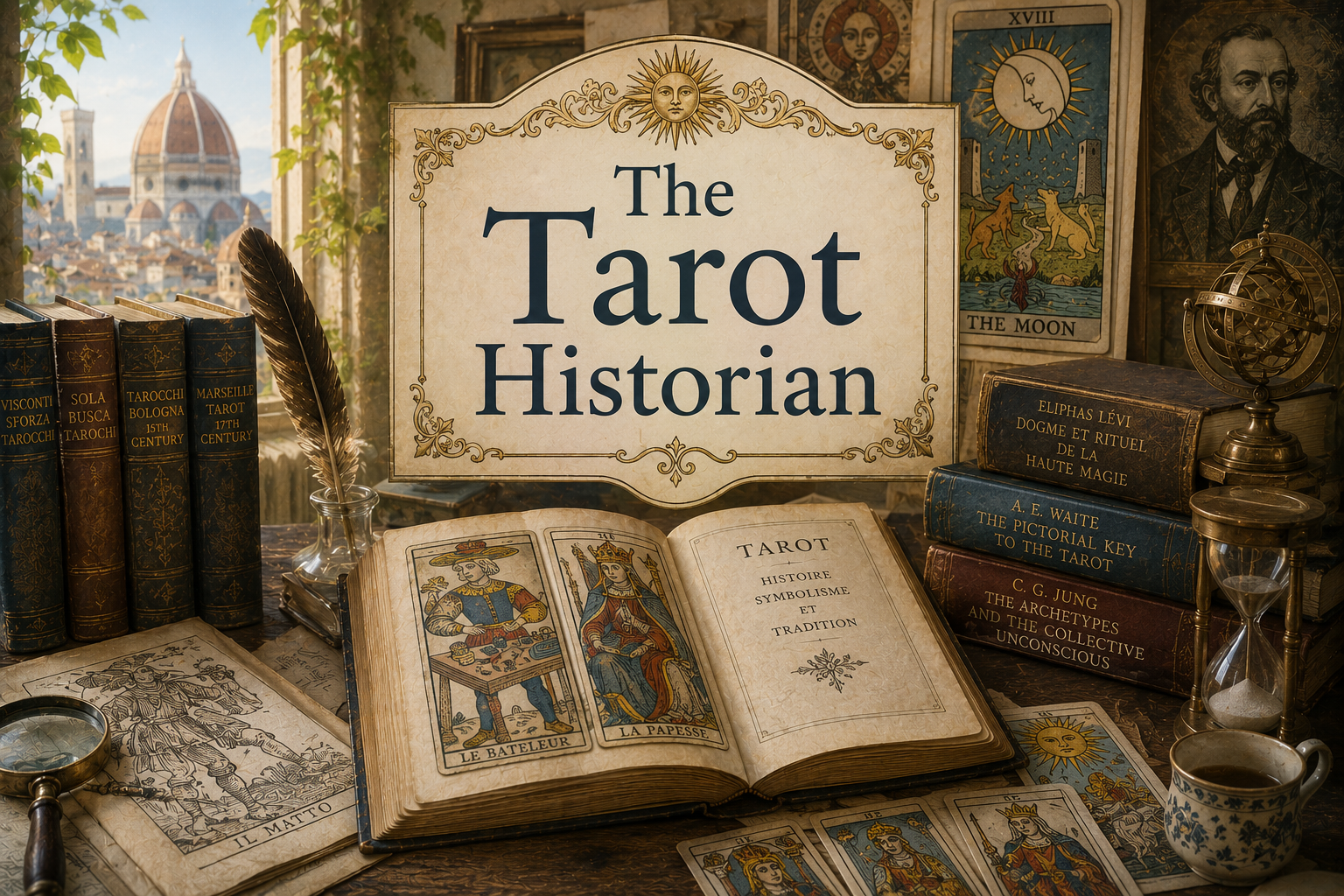
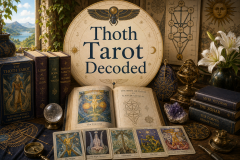
The tarot did not begin as a tool for divination. It began as a beautifully illustrated card game in Renaissance Italy before centuries of artists, philosophers, mystics, psychologists, and scholars transformed it into one of the world’s richest symbolic traditions.
The Tarot Historian course explores that remarkable journey.
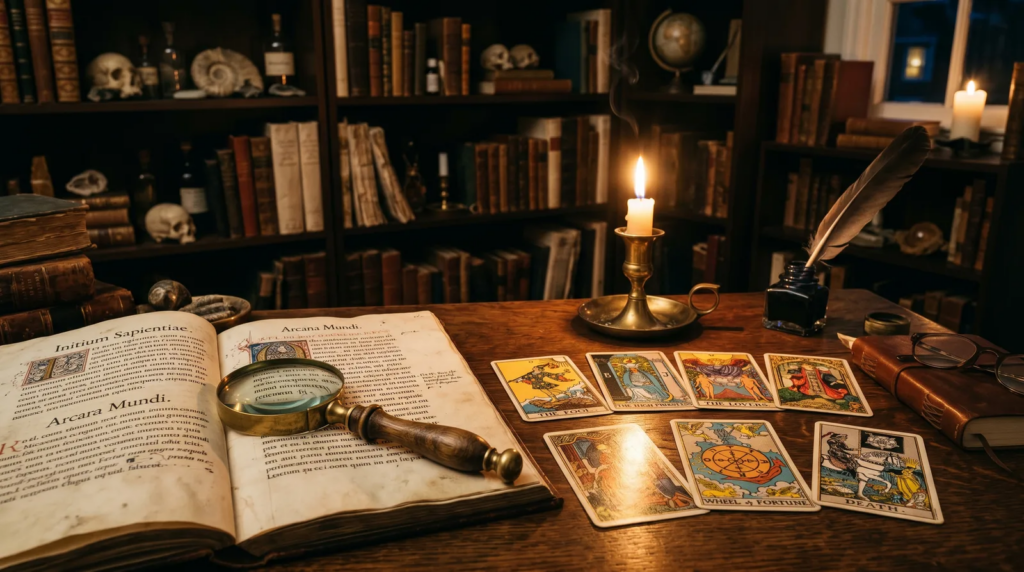
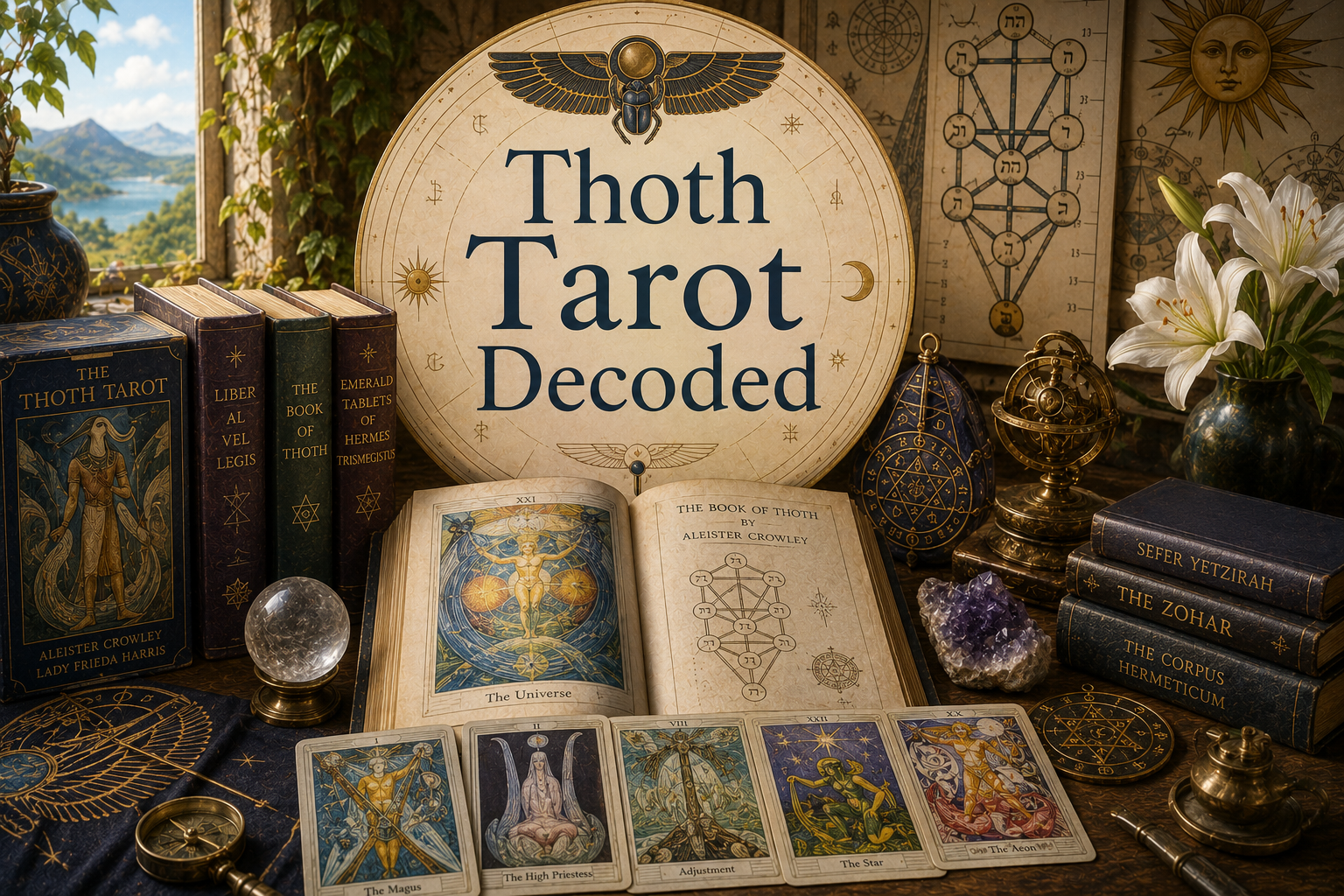
Rather than teaching fixed card meanings or fortune-telling techniques, this course traces how tarot symbolism developed across six centuries. You’ll examine the earliest surviving decks, discover how Renaissance art shaped the Major Arcana, and follow the evolution of tarot through the writings of influential figures such as Antoine Court de Gébelin, Etteilla, Éliphas Lévi, Arthur Edward Waite, Pamela Colman Smith, Aleister Crowley, Lady Frieda Harris, and Carl Jung.
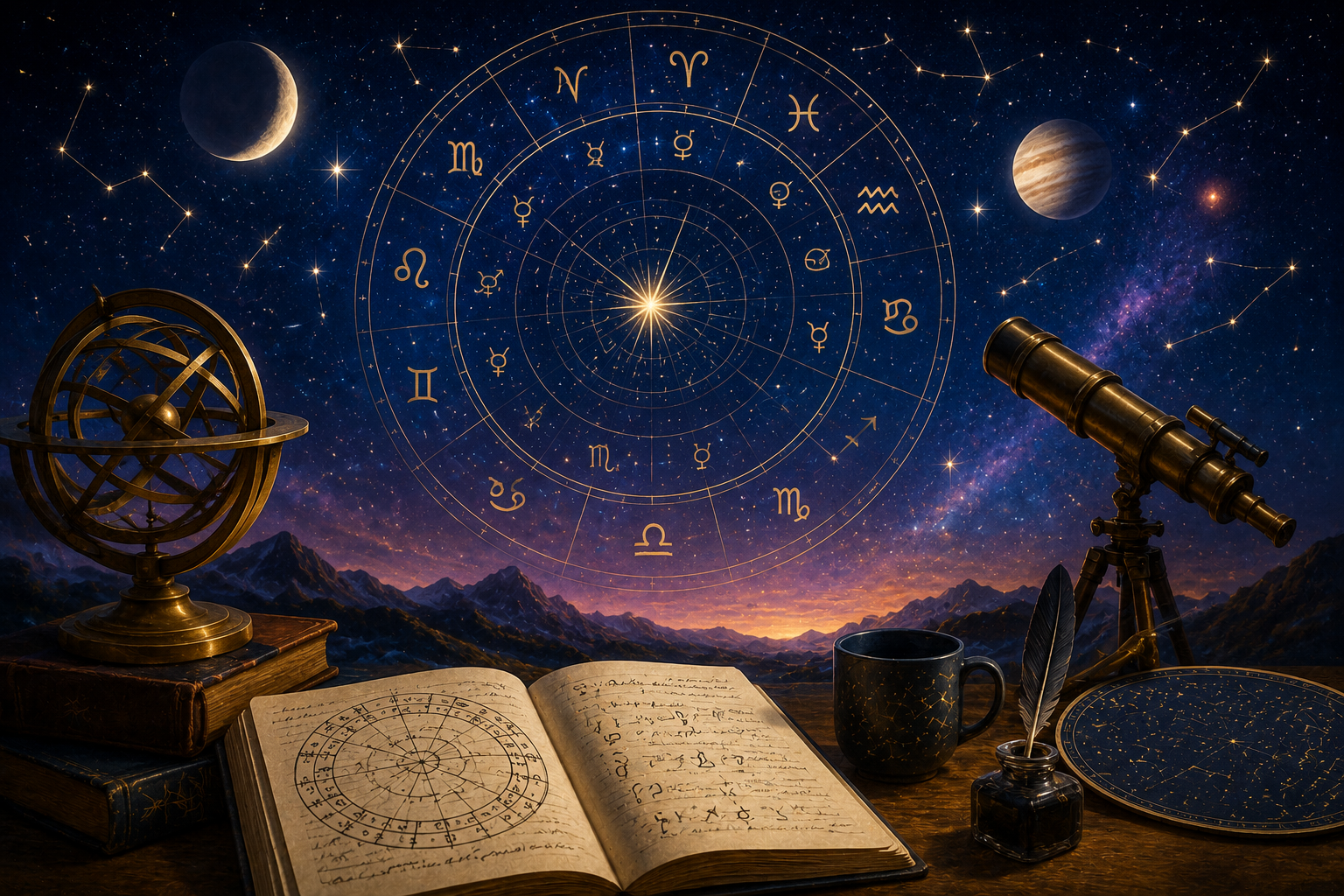
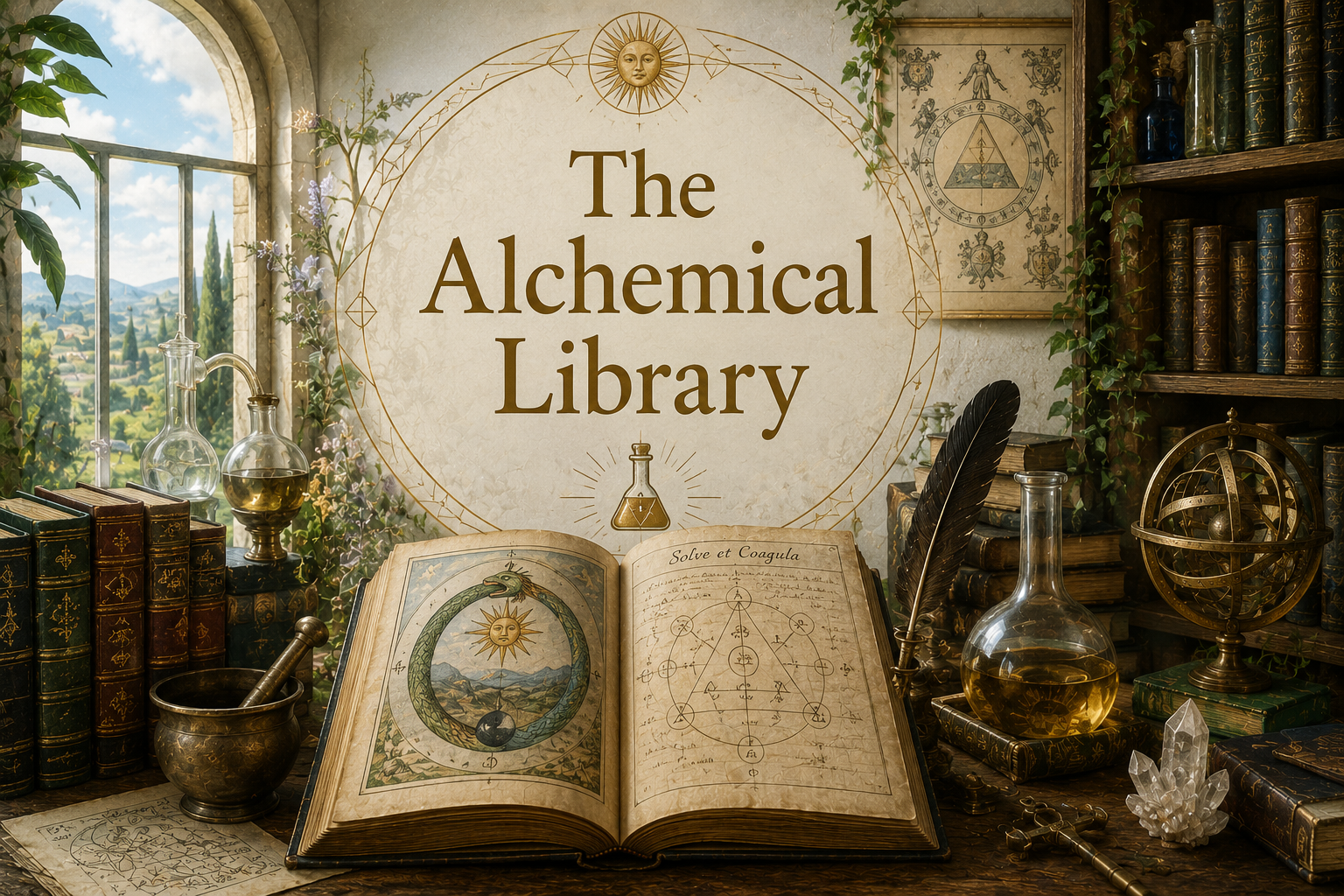
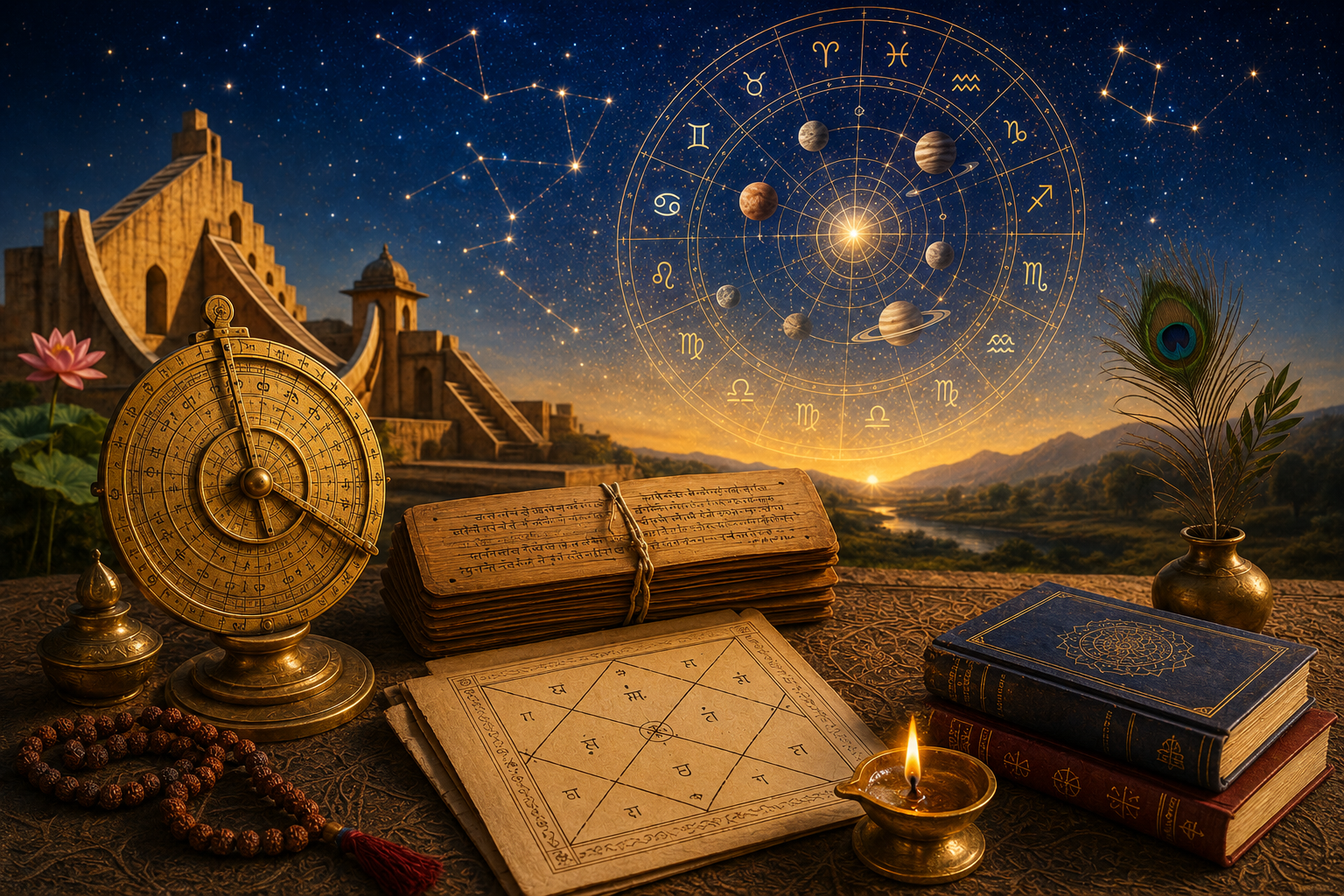
Along the way, you’ll learn how mythology, alchemy, astrology, religion, psychology, and Western esoteric traditions contributed to the images that continue to fascinate millions of people today.
Each lesson combines historical research with practical symbol analysis. You’ll compare artwork from different periods, identify recurring motifs, and discover how the same card can carry very different meanings depending on its historical context. Instead of memorizing interpretations, you’ll learn to think like a historian by asking where a symbol came from, why it changed, and what it meant to the people who created it.
What you’ll be able to do
- Trace the documented history of tarot from 15th-century Northern Italian card games through 20th-century occult and psychological traditions
- Identify and interpret the symbolic innovations introduced by key figures — Lévi, Waite, Smith, Crowley, and Jung — and explain how each reshaped the deck’s visual language
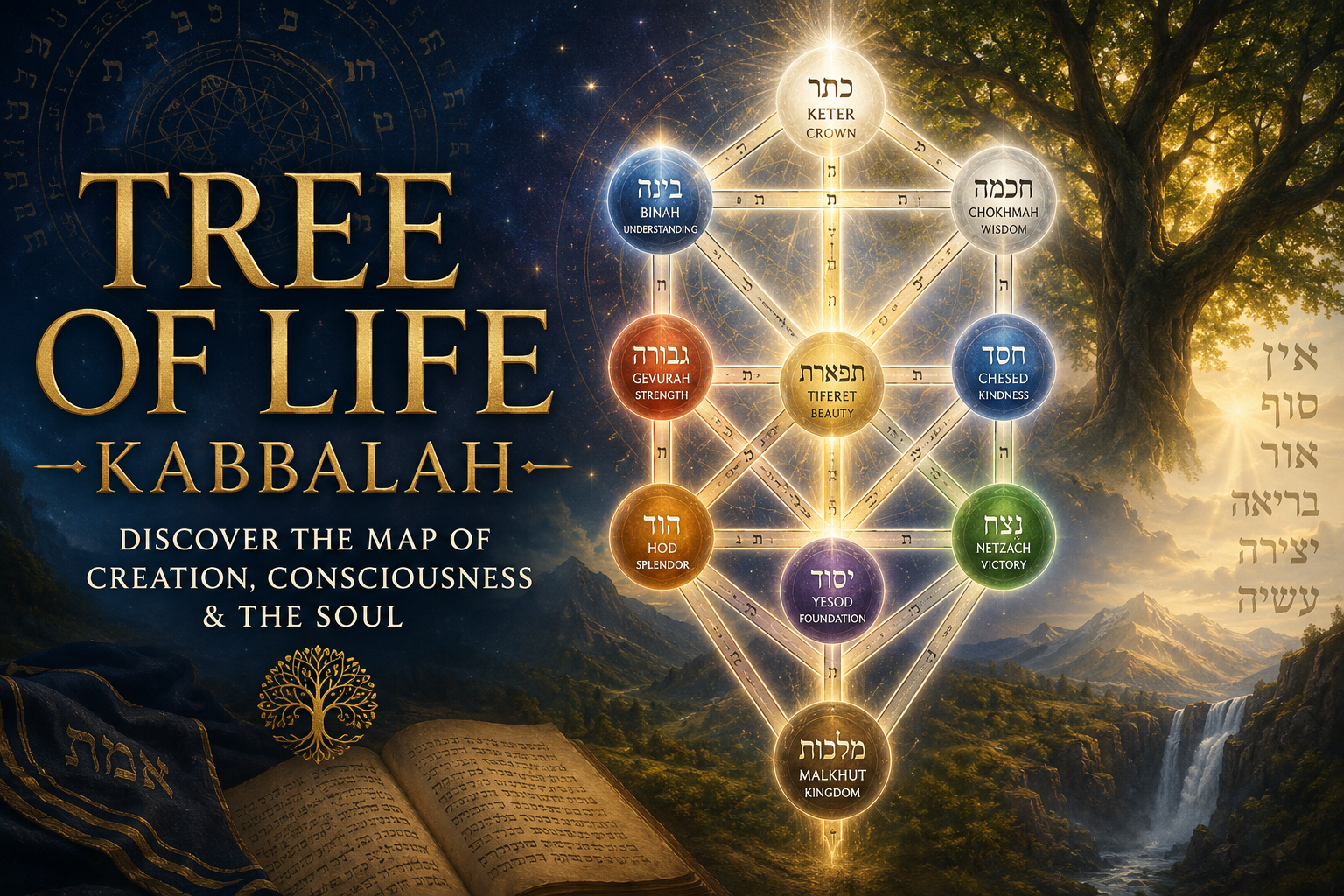
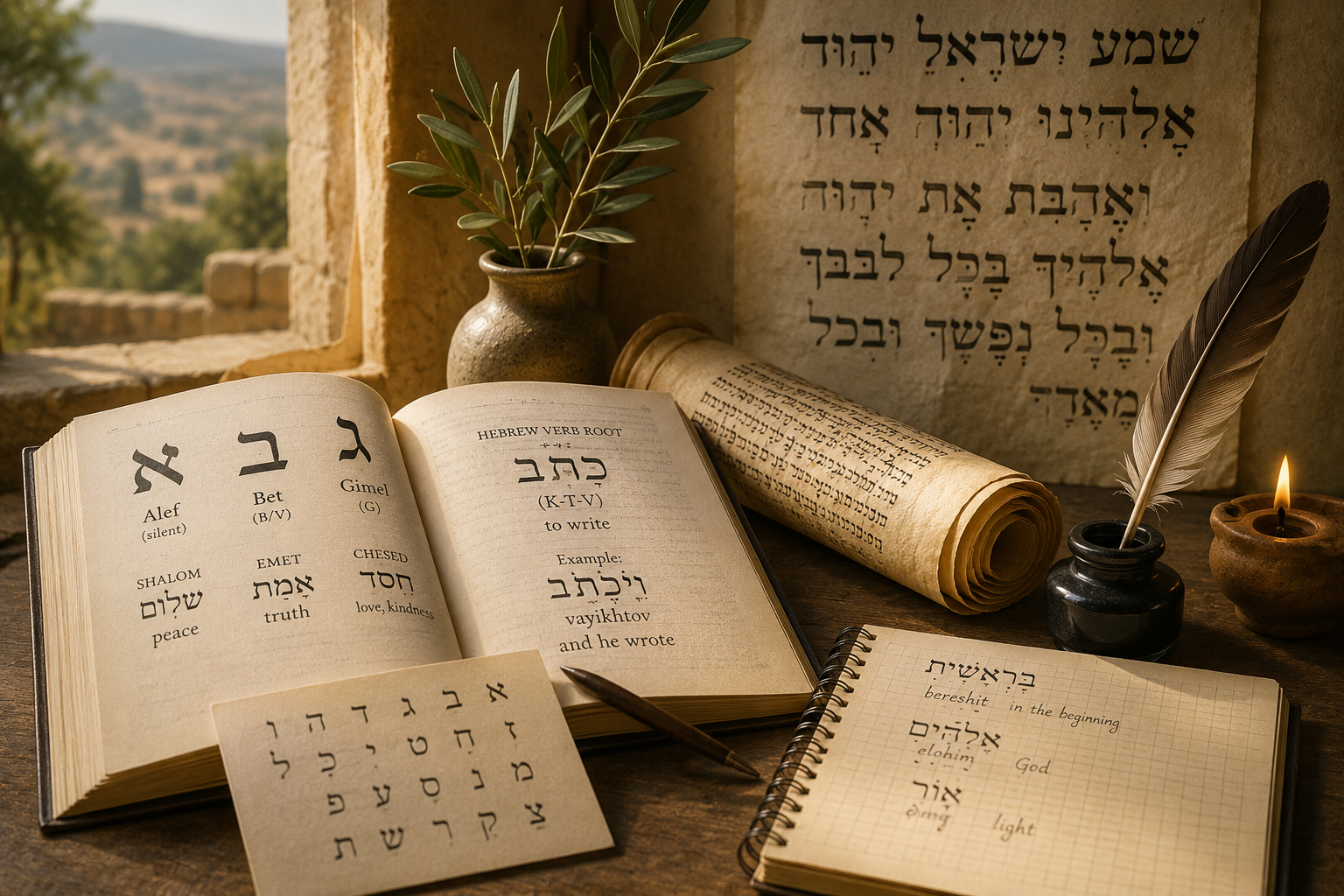
- Analyze a tarot card’s iconography using layered correspondence systems: Kabbalistic, astrological, elemental, and archetypal
- Distinguish between historical fact and esoteric mythology (e.g., the Egyptian origin myth) using primary sources and critical thinking
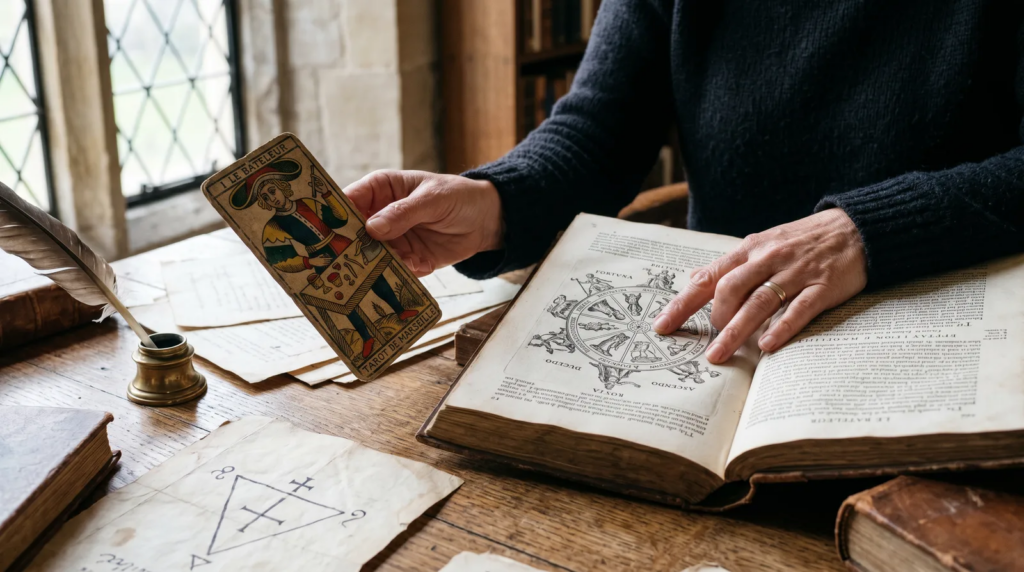
- Compare the Visconti-Sforza, Tarot de Marseille, Rider-Waite-Smith, and Thoth decks as distinct symbolic vocabularies shaped by their cultural moments
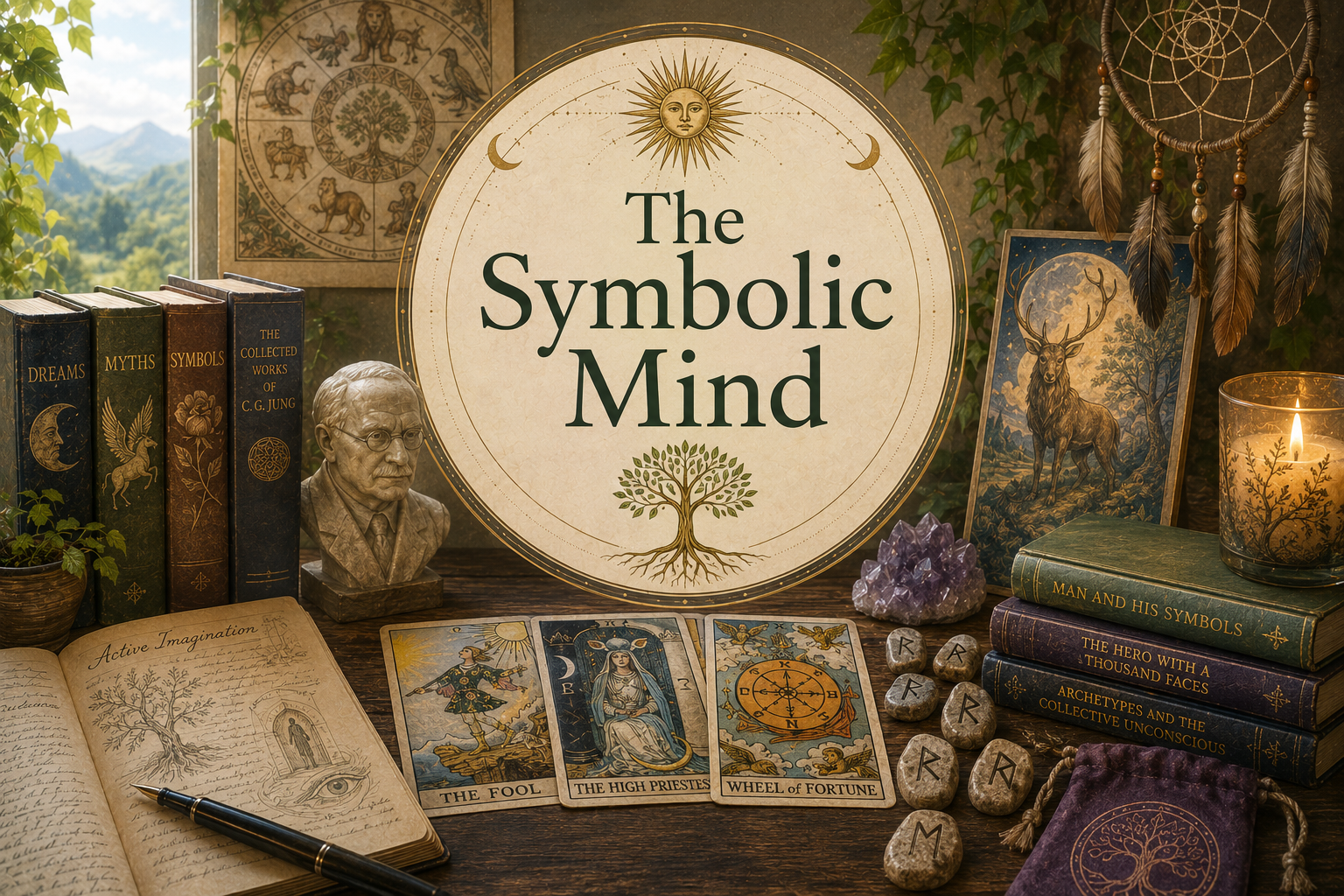
- Build a personal symbol journal that applies tarot’s visual language to journaling, creative writing, or self-reflection — grounded in historical awareness
Whether you’re a tarot reader, writer, artist, researcher, or simply fascinated by symbolic traditions, The Tarot Historian provides a deeper understanding of the deck than most introductory courses. It offers a balanced, historically grounded approach that separates documented history from later tradition while appreciating both for their cultural significance.
By the end of the course, you won’t simply know what the cards mean. You’ll understand how they became one of history’s most enduring symbolic languages, and you’ll have the tools to continue exploring tarot through art, literature, mythology, psychology, and history with greater confidence and discernment.
If you’ve ever wondered why the Fool carries a bundle, why the High Priestess sits between two pillars, why the Wheel of Fortune has appeared in so many forms, or how the same deck came to inspire artists, occultists, psychologists, and storytellers alike, this course is your invitation to uncover the history behind the symbols.
Explore All of Our Courses